
NEW BERN, NORTH CAROLINA
New Bern City Guide
A practical guide to New Bern, including historic neighborhoods, schools, dining, healthcare, parks, waterfront life and the places that give North Carolina's first capital its distinctive character.
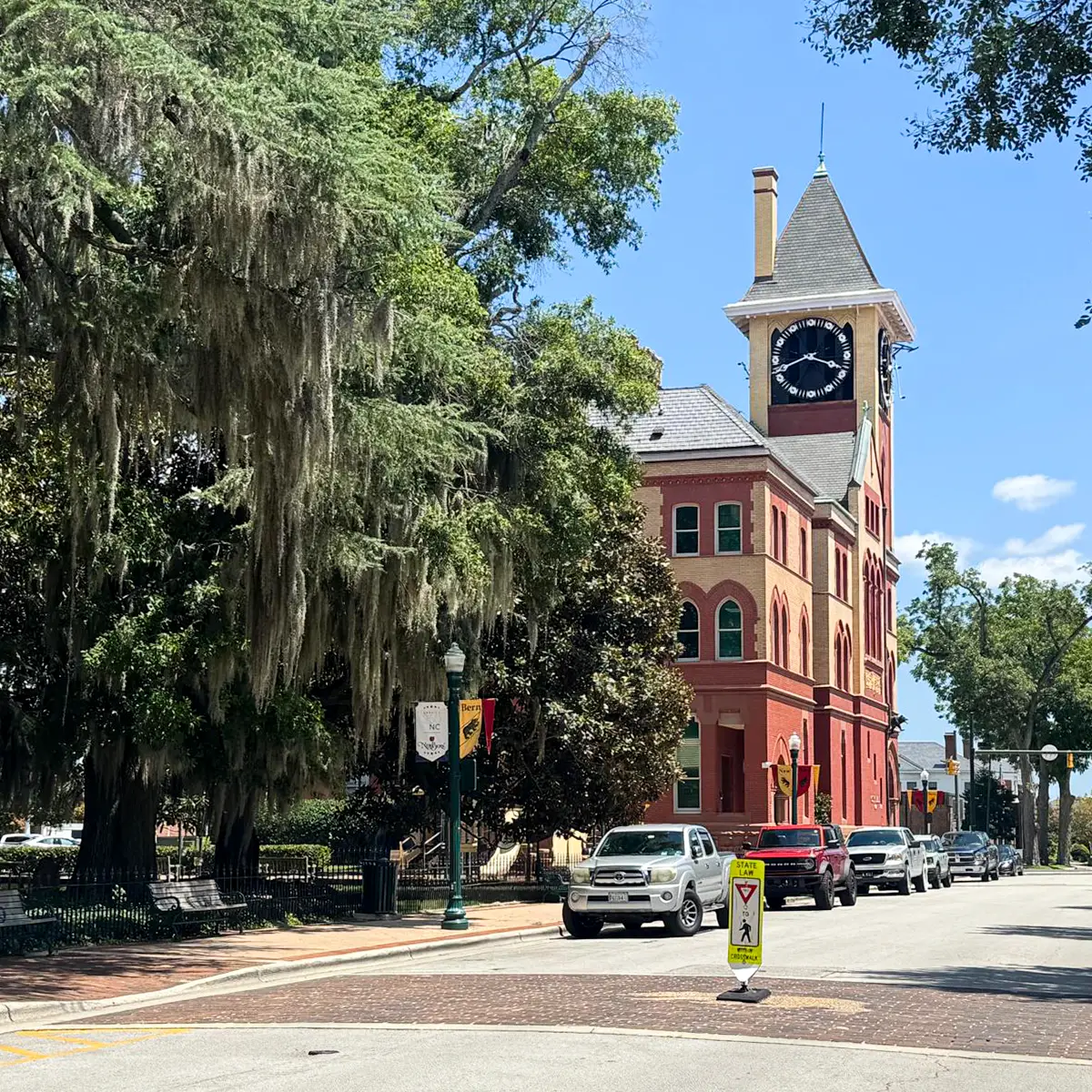
ABOUT NEW BERN
A historic river city with more than three centuries of character
New Bern sits where the Neuse and Trent rivers meet. Founded in 1710, it became North Carolina's first permanent capital and today combines a walkable historic core with waterfront parks, established neighborhoods and newer residential communities.
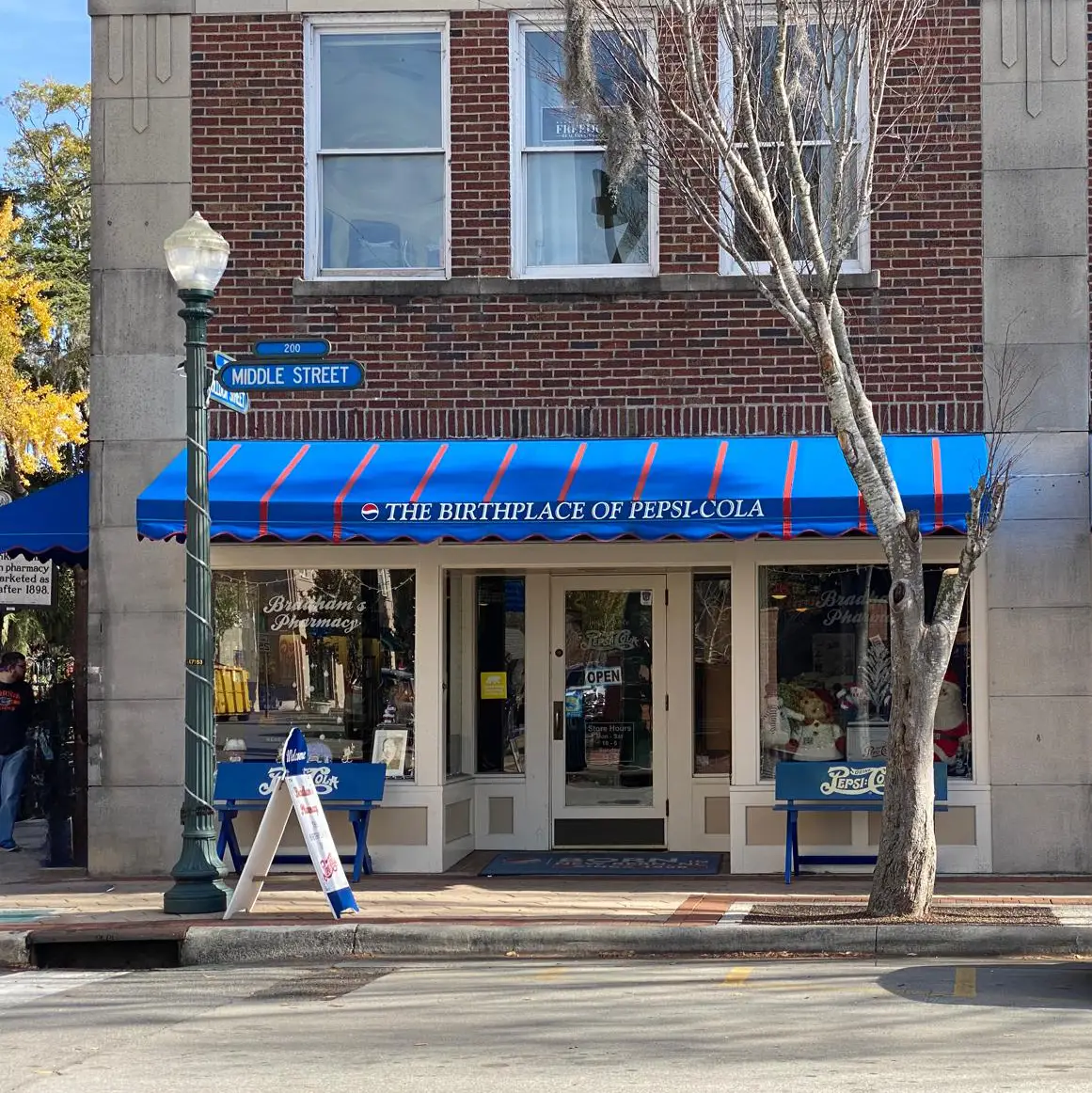
The city has about 35,000 residents across roughly 28 square miles of land. What makes New Bern especially distinctive is how much history remains part of everyday life, from Tryon Palace and preserved architecture to the downtown storefront where Pepsi was first created.
Unlike a resort town, New Bern functions as a year-round regional center for healthcare, shopping, education, boating, dining and cultural events.
≈ 35K
Residents
City population
≈ 28
Square miles
Land area
26
Public schools
Craven County Schools
≈ 180
Dining options
Restaurants and eateries
27
City parks
Plus special-use facilities
Neighborhoods & communities around New Bern
New Bern offers very different residential settings within a relatively compact area, from historic streets close to downtown to river-adjacent neighborhoods and larger planned communities farther from the city center.
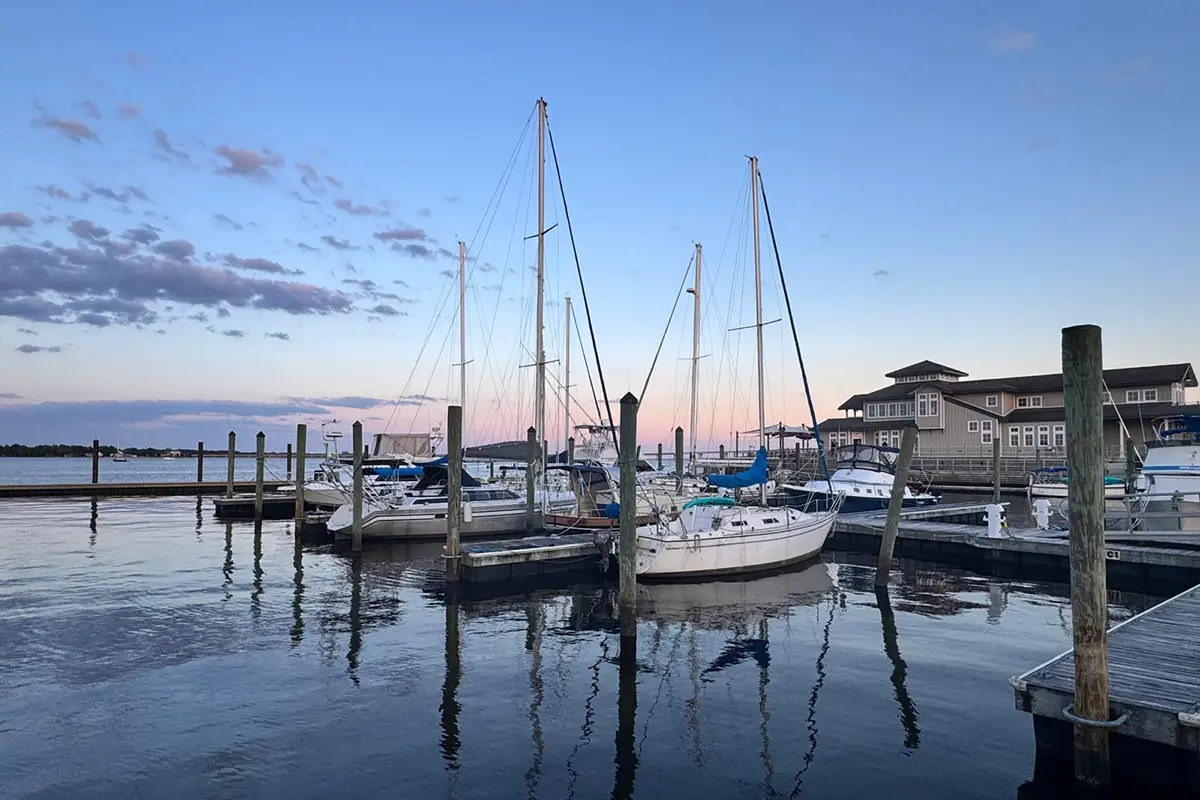
Downtown Historic District
The historic core of New Bern, with walkable streets, preserved architecture, restaurants, galleries, boutiques, Tryon Palace and direct access to the waterfront.
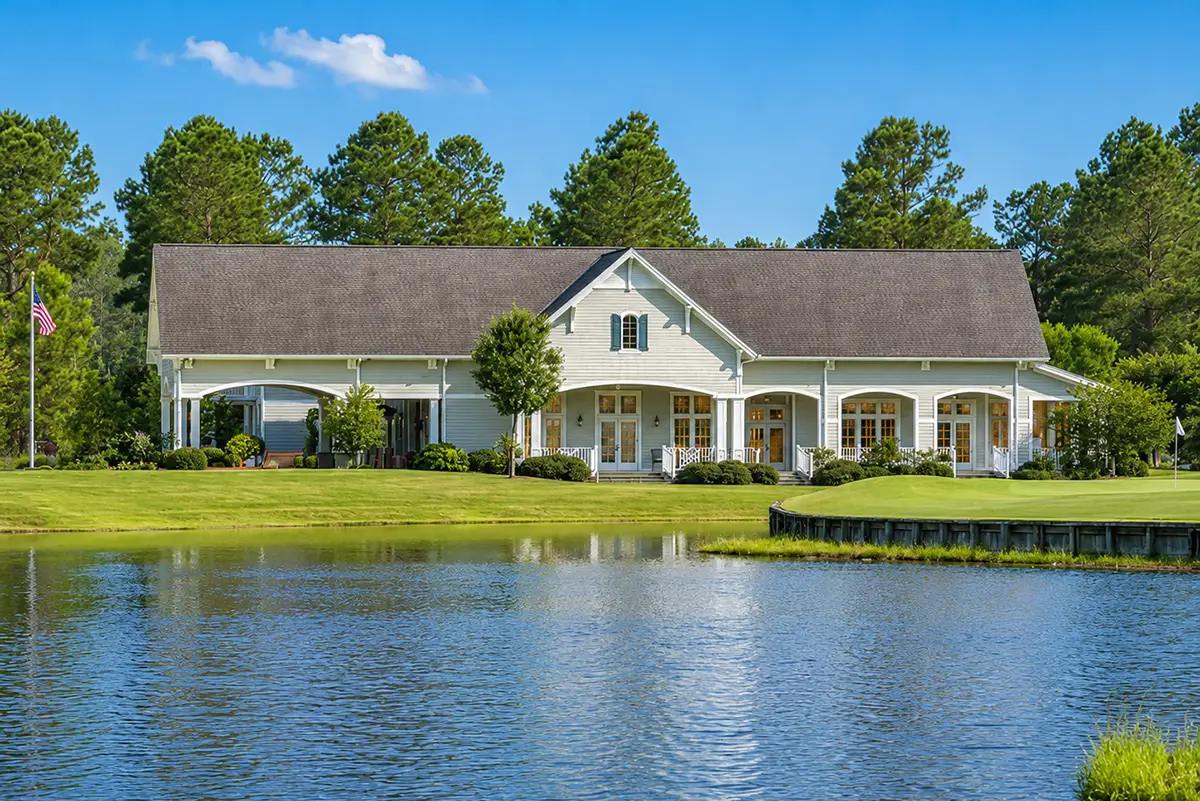
Carolina Colours
A large planned community in New Bern with multiple neighborhoods, golf, swimming, tennis, pickleball and walking and biking trails.
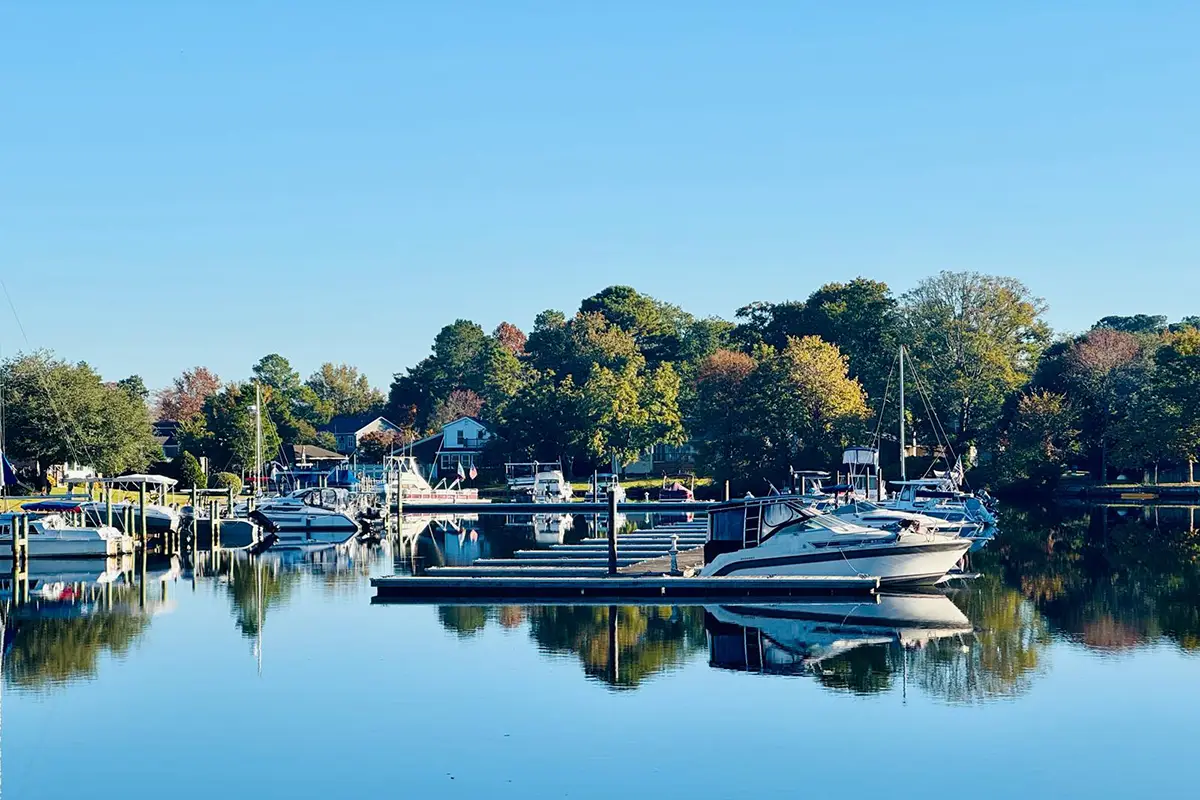
River Bend
A residential town just southwest of New Bern, originally developed around a golf course and bordered by the Trent River. River Bend combines established neighborhoods, waterways and a quieter small-town setting with convenient access back to New Bern.
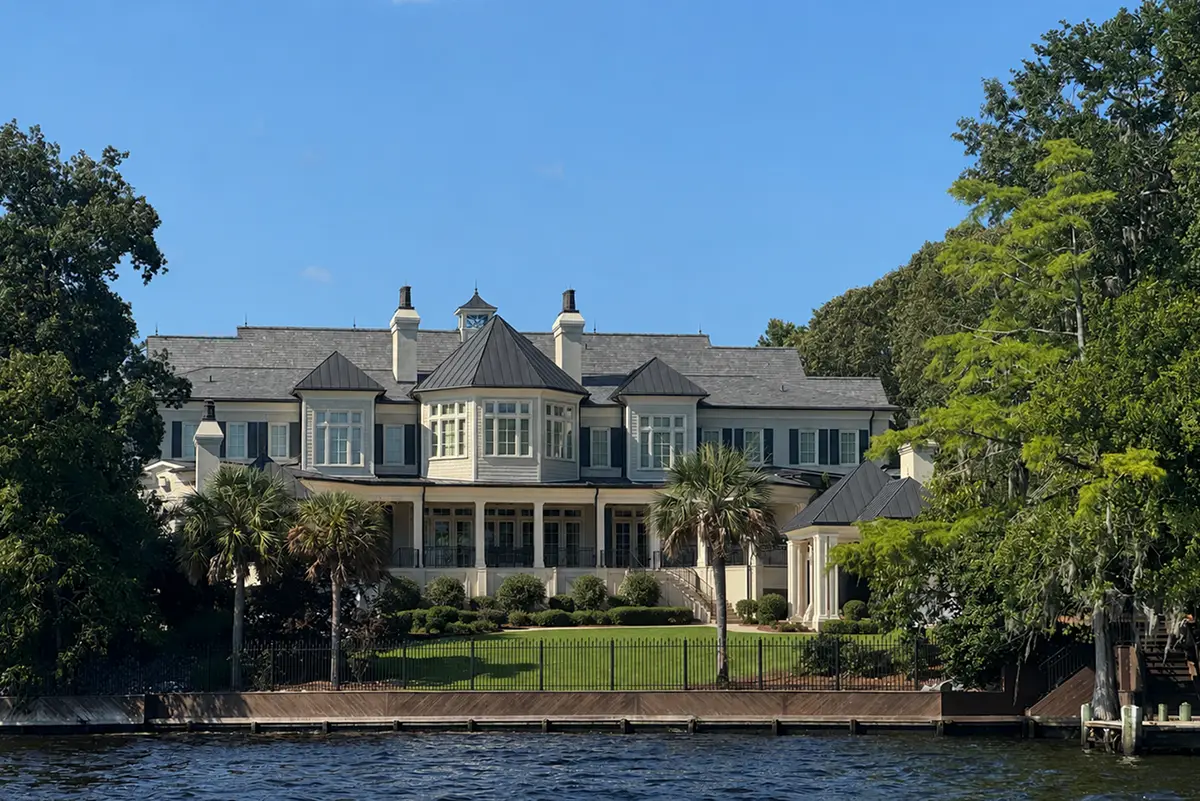
Trent Woods
A small residential town directly southwest of New Bern, known for established neighborhoods and convenient access to city shopping, healthcare and the Trent River area.
SCHOOLS & EDUCATION
Public schools across Craven County
Craven County Schools operates 26 public schools serving communities across the county, including New Bern. The district includes elementary, middle and high schools as well as early college and specialized programs.
Craven Community College's main campus is in New Bern, with its Volt Center near downtown providing additional workforce and technical education.
HEALTHCARE
A regional healthcare center
CarolinaEast Medical Center on Neuse Boulevard is the city's primary full-service hospital and anchors a broader network of physicians, specialty care, outpatient services and medical offices throughout New Bern.
That concentration of healthcare is one reason New Bern serves not only city residents but communities across a wider part of Eastern North Carolina.
HISTORY IS PART OF DAILY LIFE
First capital, Tryon Palace and the birthplace of Pepsi
New Bern's history is unusually visible. Tryon Palace served as North Carolina's first permanent seat of government, while the surrounding historic districts preserve architecture from multiple periods of the city's development.
Within easy walking distance of the waterfront are more than 160 historic homes and buildings listed across several National Register districts. Downtown is also home to the original location associated with the creation of Pepsi-Cola.
Historic highlights: Tryon Palace · North Carolina History Center · Birthplace of Pepsi · Historic churches · Civil War history · preserved residential districts
EVERYDAY LIFE
Shopping, dining and downtown life
New Bern's everyday life is split between a compact historic downtown and larger commercial corridors farther west. Downtown offers locally owned shops, galleries, cafes and waterfront dining, while the wider city provides national retailers, grocery stores and everyday services.
Shopping
Historic downtown is known for boutiques, specialty shops, antiques and art galleries, while larger retail areas extend along Martin Luther King Jr. Boulevard and Glenburnie Road.
Dining
New Bern has about 180 restaurants and dining options, including waterfront restaurants, Southern cooking, seafood, Indian cuisine, cafes, breweries and familiar national chains.
Downtown life
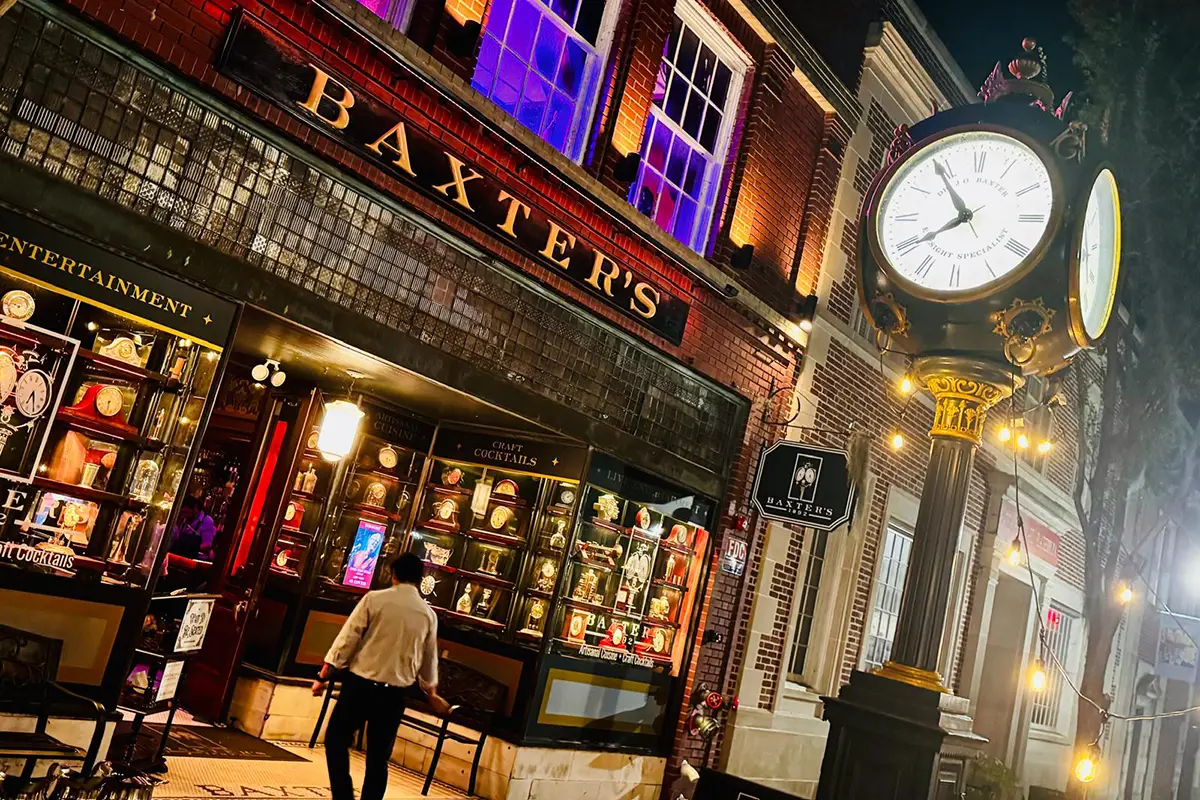
Restaurants, galleries, historic attractions, the convention center and waterfront parks sit close together, making the center of New Bern unusually walkable for a city of its size.
RIVERFRONT & OUTDOORS
A city built where two rivers meet
New Bern sits at the confluence of the Neuse and Trent rivers, which shape the city visually and recreationally. Union Point Park, Lawson Creek Park and other public spaces provide waterfront access for walking, fishing, events, boating and paddling.
The city maintains 27 parks along with recreation centers and special-use facilities. The rivers are also central to New Bern's identity as a boating community.
Places to know
Union Point Park
Downtown waterfront park where the Trent and Neuse rivers meet.
Lawson Creek Park
Large waterfront recreation area with trails, boat access and open space.
Martin Marietta Park
A major city park project expanding outdoor recreation on the west side of New Bern.
GETTING AROUND
Compact downtown, regional access
US 70 and US 17 connect New Bern with the wider region, while downtown itself is compact enough to explore on foot. The city also provides free two-hour on-street parking downtown along with several free all-day public lots.
The coast is within easy reach. Atlantic Beach, Morehead City and the Crystal Coast are practical day-trip destinations, while Jacksonville and the Camp Lejeune area lie to the southwest.
New Bern in perspective
New Bern combines a small-city scale with an unusually strong concentration of history, waterfront access, healthcare and cultural life.
The result is a place that feels very different from both nearby military centers and the beach communities farther east.