JACKSONVILLE, NC REAL ESTATE RESOURCES
Renting vs. Buying in Jacksonville, NC
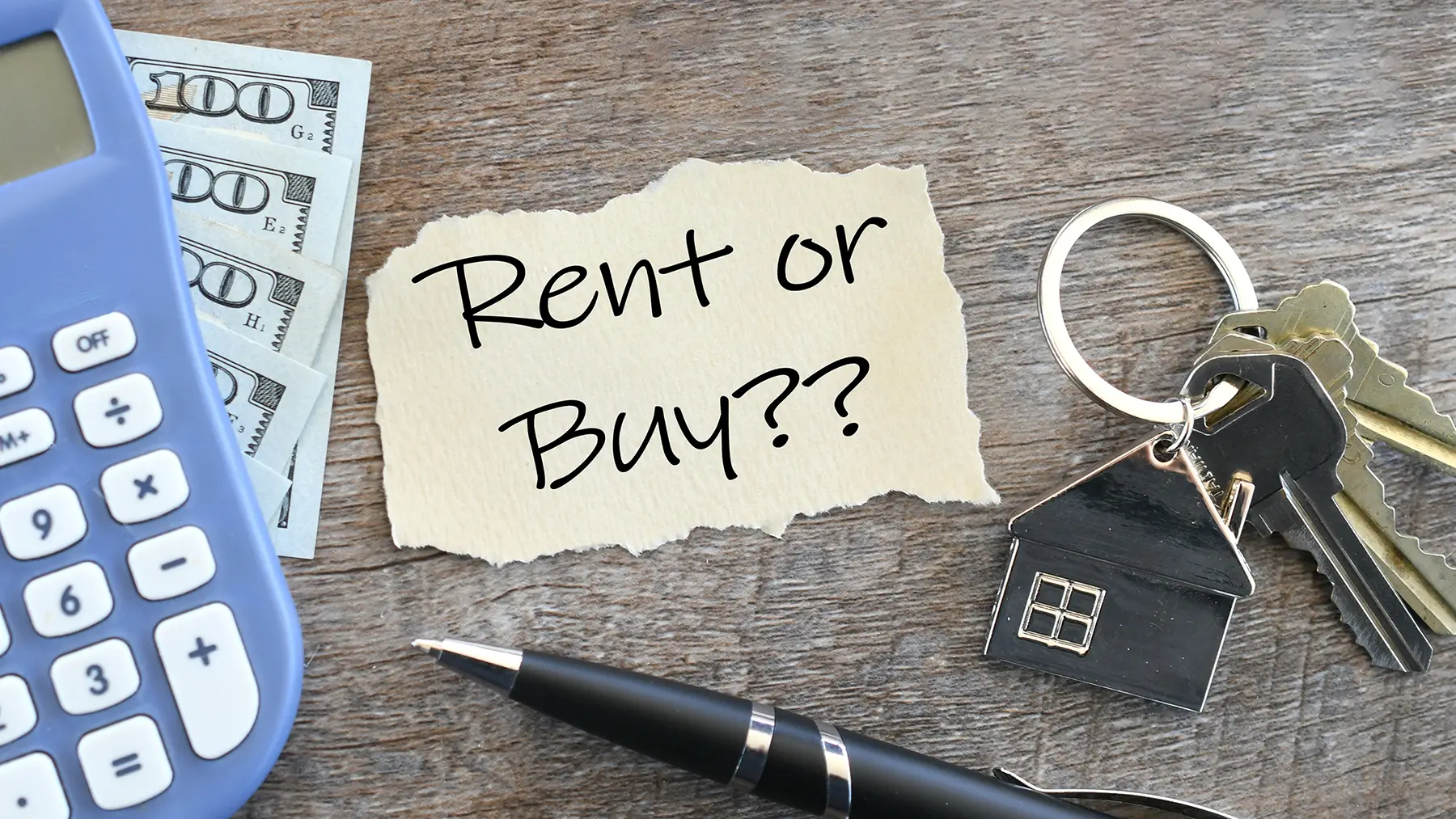
There is no universal answer to whether renting or buying is better. The right choice depends on your timeline, finances, military orders, and what you want the next few years to look like.
By Gabriele Brandt | Personal real estate guidance for Eastern North Carolina
A clear place to begin
Jacksonville is shaped by the steady movement of military families, civilian employees, local residents, and people relocating from other parts of North Carolina. That makes the rent-or-buy decision especially personal.
I do not begin by trying to convince someone to purchase. I begin with the questions that reveal whether ownership fits the person's current life. Sometimes renting is the more responsible choice. Sometimes buying creates stability and long-term opportunity. The goal is to understand the tradeoffs before committing to either path.
IN THIS GUIDE
What we will cover
- When renting may offer the flexibility you need
- When buying may support longer-term goals
- The costs that should be compared beyond rent and mortgage
- How PCS timing can change the decision
- Questions to answer before choosing a path
1. Start with your expected timeline
How long you expect to remain in the area is one of the first questions to consider. Buying and selling both involve costs, time, and market risk. A very short stay may not provide enough time for ownership to make practical sense, especially if you know you will need flexibility.
A longer timeline can make buying more attractive, but years alone do not decide the answer. Your savings, job stability, property plans, and comfort with maintenance matter too.
A useful starting point
Do not ask only, "How long will I live here?" Also ask, "What would I do with the property if my plans changed sooner than expected?"
2. When renting may be the better choice
Renting can provide flexibility and reduce responsibility for major repairs. It may fit people who are arriving quickly, expect another move soon, need time to learn the area, or do not yet have the cash reserves they want before purchasing.
Renting can also create breathing room. It gives you time to understand commute patterns, neighborhoods, schools, coastal access, and the practical differences between Jacksonville, Hubert, Swansboro, Sneads Ferry, and nearby communities.
3. When buying may be worth exploring
Buying may fit people who want more control over their home, expect to stay for several years, have stable finances, and are comfortable with the responsibilities of ownership. Monthly payments may contribute to equity, but ownership also brings maintenance, transaction costs, and exposure to changing market values.
Some military-connected owners consider keeping a home as a rental after a future PCS. That can be a viable strategy for the right property and owner, but it should never be treated as automatic income. Financing terms, management costs, repairs, vacancy, insurance, taxes, and local rental demand all need careful evaluation.
Ownership is more than a mortgage payment
A realistic comparison includes maintenance, insurance, taxes, association fees when applicable, reserves, and the possibility that you may need to sell or rent sooner than planned.
4. Compare the complete monthly and upfront costs
Comparing rent with a projected mortgage payment is not enough. Renters may have application fees, deposits, pet costs, renter's insurance, and possible annual increases. Buyers may have a down payment, inspections, lender and closing costs, insurance, taxes, repairs, and ongoing maintenance.
I recommend comparing both the upfront cash requirement and the ongoing monthly cost. A licensed lender can provide financing estimates, while a property manager can help evaluate realistic rental expenses if you are considering keeping the home later.
5. Think about risk and flexibility
Renting usually makes it easier to move at the end of a lease. Ownership can give you stability, but selling is not immediate and the market may not cooperate with your preferred timeline.
Ask yourself how comfortable you would be if orders changed, a job moved, a major repair appeared, or the home took longer to sell than expected. The better choice is the one that still feels manageable when life does not follow the ideal plan.
6. Consider what you want from the property
A renter may value convenience and fewer maintenance responsibilities. A buyer may want a yard, more privacy, the freedom to improve the property, or a place that can support a growing family.
These lifestyle goals matter. A financial comparison is important, but the home also has to fit how you want to live. The decision becomes clearer when we define what you need now and what may matter two or three years from now.
7. Why local market knowledge matters
Jacksonville is not one uniform market. Property type, condition, commute, neighborhood, proximity to the military installations, and demand in the surrounding community can affect both resale and rental potential.
I help clients look beyond the list price and consider how a property may perform within their actual plans. A house that works well for one buyer may create unnecessary risk for another.
8. A decision framework you can use
Before deciding, write down your expected timeline, available cash, comfortable monthly cost, maintenance tolerance, and backup plan if you move. Then compare real rental options with real purchase scenarios rather than relying on broad online averages.
The answer may be rent, buy, or wait. A clear decision is more valuable than a rushed transaction.
A PRACTICAL CHECKLIST
Keep these priorities in view
Rent may fit when
You need flexibility, want time to learn the area, or prefer fewer repair responsibilities.
Buying may fit when
You have stable finances, a longer timeline, and a property that supports your future plans.
Pause and compare when
Your orders, employment, savings, or expected ownership timeline are still uncertain.
START A CONVERSATION
Not sure whether renting or buying fits your move?
I can help you compare the local options without pressure and identify the questions you should answer before making a commitment.